Welcome Back to the PDD!
And yes, I am going to leave you hanging until the end to explain my 10-month hiatus because I am just so G-dagnabited excited about the animated film Coraline!
With a Tim Burton aesthetic, this dark and limerent childhood fable is a perfect treat for Halloween. I wrote this for Halloween, but this shows my sheer level of procrastination.
Spoilers ahead!
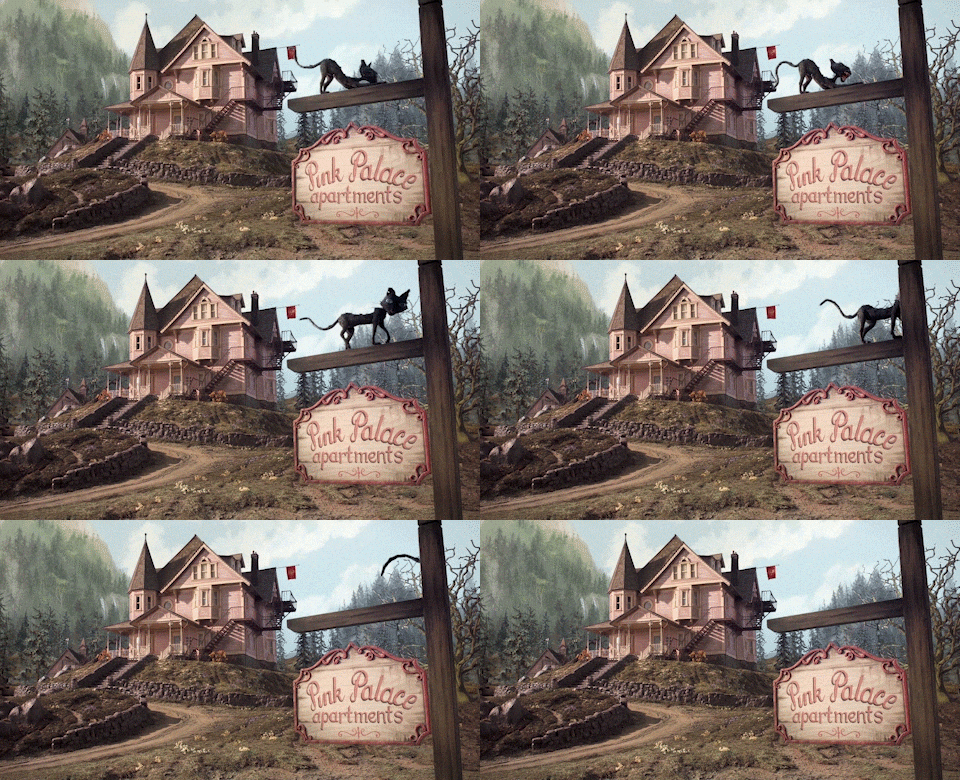
Eleven-year-old Coraline Jones moves with her parents into an ancient, isolated apartment on a hill. She misses her friends and old life, and her parents are poor cooks, somewhat neglectful, and certainly dismissive of her unhappiness. They are busy; tell her to stop bothering them and find something to do.
As she searches the grounds, she finds a cast of odd characters engulfed in their own issues, who successively mispronounce her name as “Caroline” instead of “Coraline.” Feeling misunderstood as she dozes off to sleep, she finds that a previously closed small door in her wall is now illuminated.
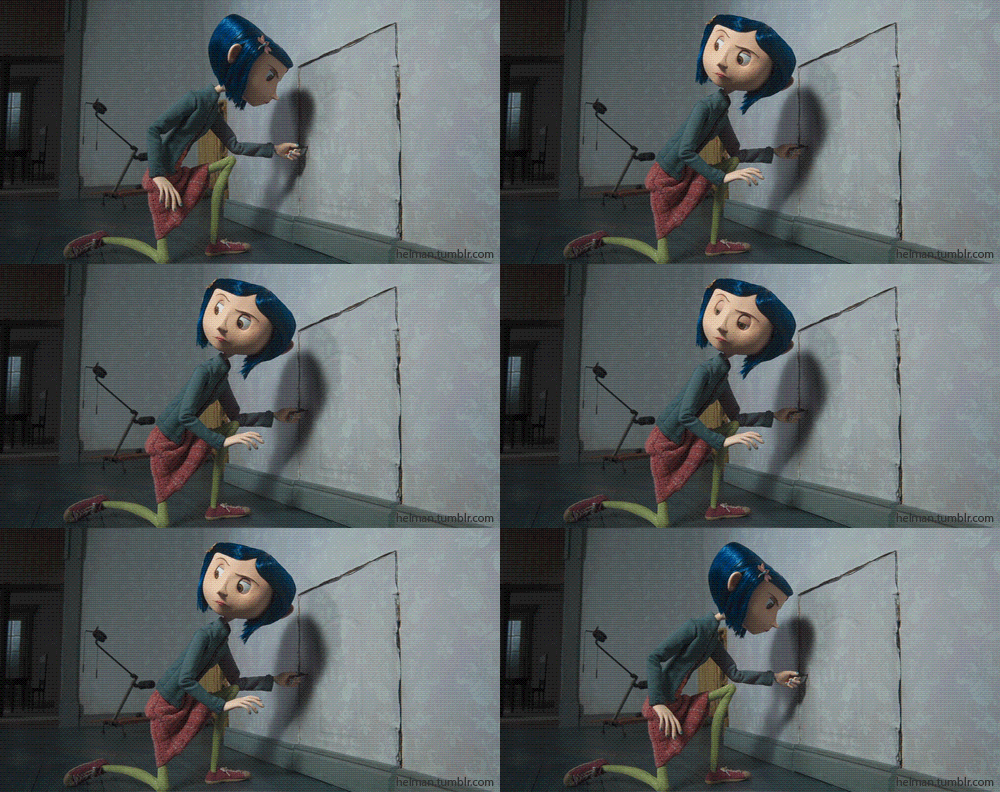
She climbs through the door and enters the “Other World”. She finds replicas of her parents sewn together and with buttons for eyes. They serve her favorite dish without her having to ask, attend to her every need instantly, and celebrate her uniqueness with every action. In this Other World, she is effortlessly and deeply understood.
She returns to the real world, realizing that while the Other World is amazing, there is something a bit off about it. She resolves not to return.
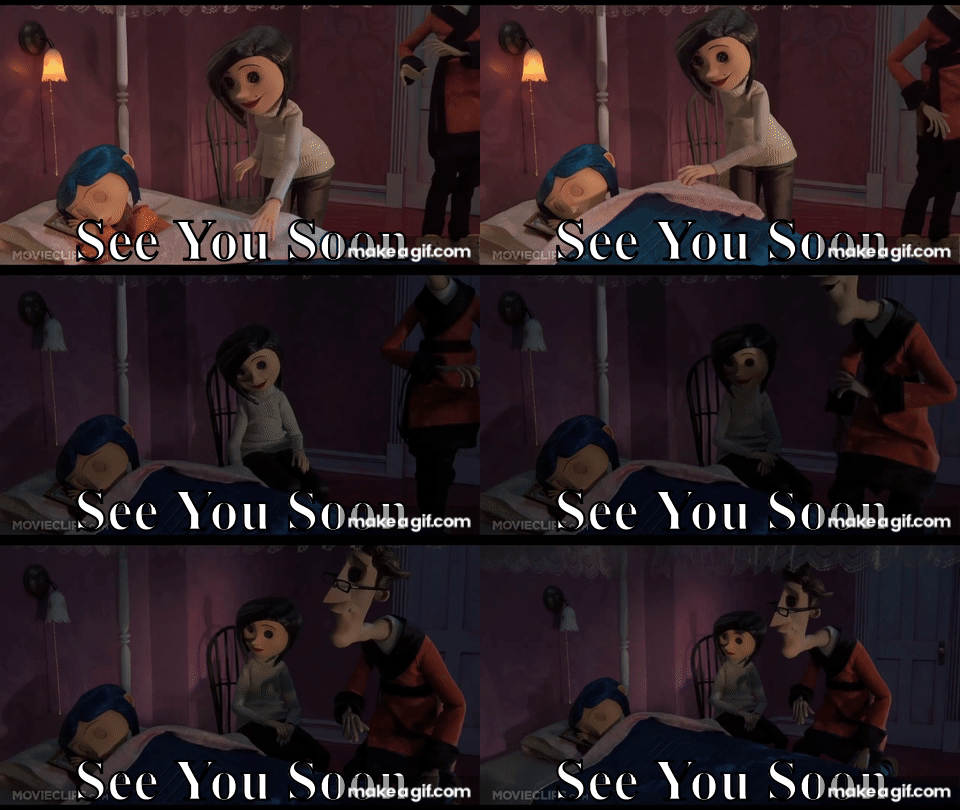
In the end, she cannot resist. As she returns to the Other World, and is met with a grand bargain: she can stay in the unending bliss of the Other World, but must be blinded with her eyes sewn over with buttons and will not be allowed to go back to the real world.
Coraline must face down the Other World, what was once beautiful, has turned into a contorted trap. But I will leave it there for you, the viewer, to watch.
It may be a children’s movie, but I found it utterly terrifying and relatable.
We are born with brains that yearn for the infinite. We want to live forever. We want all of our parents’ attention. We want to marry our first crush. We want to be the most popular kid in the friend group. We want to be loved, adored, and admired without limit.
Unfortunately, in the world we are born into, life ends, parents have limited time due to jobs/responsibilities, hearts break, and most of us are bullied as only one kid can be the most popular.
Childhood is a state of physical, emotional, and social vulnerability. We are dependent on others who are unreliable or incapable of meeting our needs.
Feeling unsafe, we learn to cope.
It’s time to arm ourselves with defensive mechanisms to return to safety. We learn to do things ourselves so that we don’t rely on others. Or we manipulate others to get what we want. Or we lie to ourselves and say we don’t need the very things we need most. Or maybe scariest of all, we escape into fantasy and pretend our needs are met.
As we get older, we feel safer and more secure as we find our way in the world. However, when the occasional vulnerability arises or an old fear is triggered, we cope in the same way we did as children.
Coraline wants to be loved and seen more than anything. But she feels misunderstood. She escapes into the safety of fantasy, where she can control others’ words, thoughts, and feelings. She can fix the deep wound of neglect by creating a perfect replica of reality in which she is finally seen as she is.
Corlaine’s grand bargain is a warning to children: Once you embrace fantasy as an escape, there is no coming back. When you choose to cope with defense mechanisms instead of facing your fears, they will become a crutch later in life. Ironically, your fear of being hurt is the exact mechanism that causes you to hurt others later in life.
Running from your insecurities becomes your pattern… your default… your world.
As adults, these fear-driven impulses make the world even scarier. And turn us into the very same monsters we ran from as kids.
Life Update:
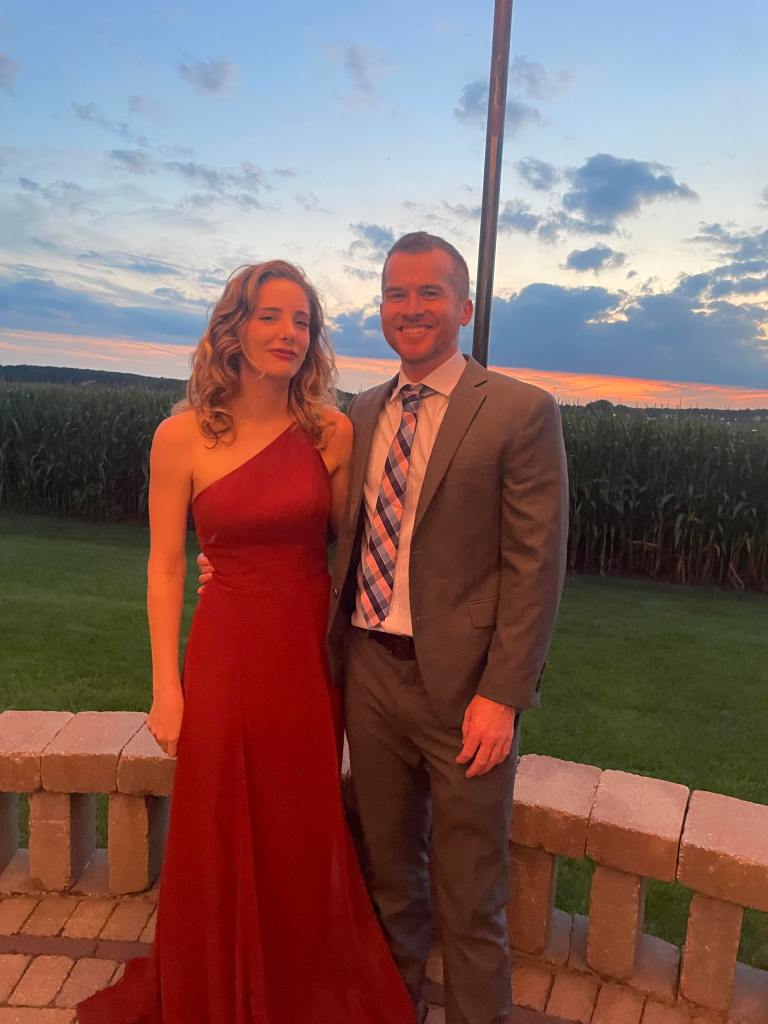
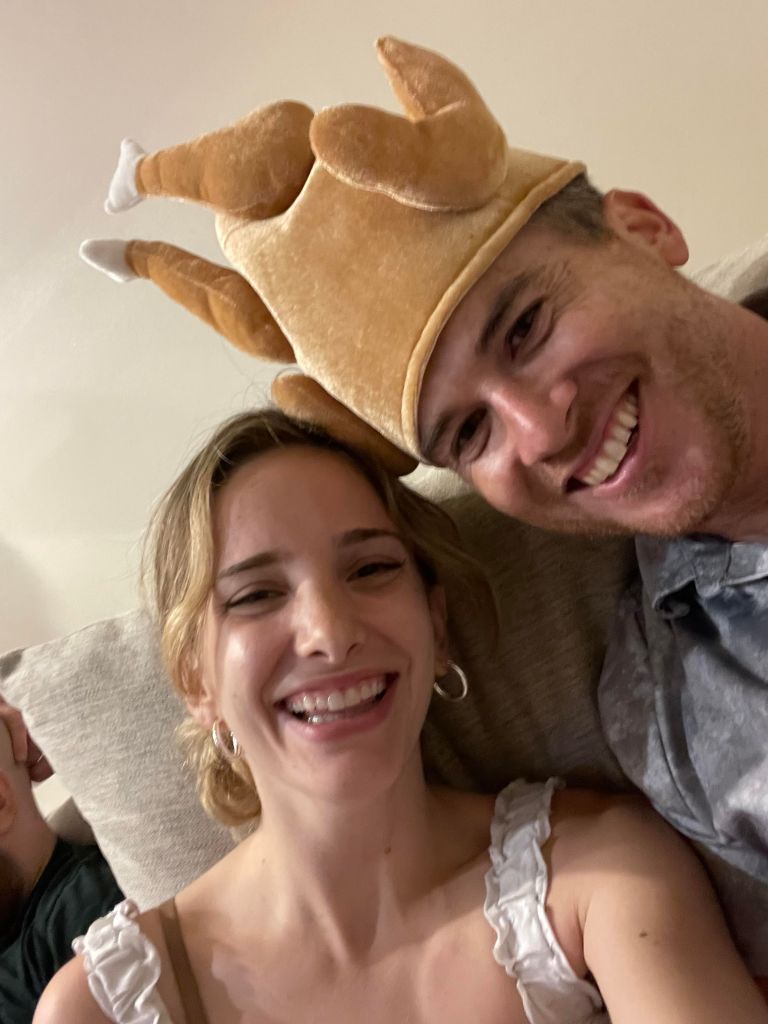
I know I know, I bailed out right when things got interesting. I am ashamed to say I got too busy and neglected my writing. I met a really amazing woman, ironically, named Caroline. She is direct (truth), purposeful (goodness), and quite a looker.
We get on so well. We enjoy each other’s company. We talk about movies, books, philosophy, finance, and blah blah blah. We also grow well together! Most importantly, have the similar values.
We met in Nashville 10 months ago, and then she moved to Arlington, VA, for Grad School, so I booked an Airbnb nearby. It has been a blast!



 The Purpose Driven Date